10 Hardscaping Ideas for Small Backyards
Table of Contents
Why Hardscaping Matters for Small Backyards
Durable Hardscape Materials for Cold Climates
Multi-Functional Patio and Hardscape Design
Permeable Pavers for Drainage
Zoning Your Compact Layout
Small Backyard Patio Design Ideas That Maximize Space
Built-In Seating and Fire Pit Integration
Vertical Greenery and Wall Space
Lighting and Focal Points for Ambiance
Water Features and Container Gardens
Landscaping Services for Small Properties
Maintenance Requirements by Material
Frequently Asked Questions
Last Updated: September 23, 2026
Why Hardscaping Matters for Small Backyards
A well-designed hardscape transforms a cramped outdoor space into a functional, visually appealing extension of your home. For small properties, hardscaping is the foundation that makes everything else work; it defines zones, improves drainage, and creates the structure that supports plants and features without overwhelming limited square footage.
Every element competes for attention in small yards. A poorly planned patio consumes half your space, mismatched materials clash visually, and poor drainage creates liability. The right hardscape solves all three problems at once.
The difference between a cramped backyard and a backyard oasis comes down to strategic material selection, spatial planning, and understanding how water moves through your landscape. These 10 hardscaping ideas for small backyards address the real constraints you face.
Durable Hardscape Materials for Cold Climates
Cold-climate hardscaping demands materials that survive freeze-thaw cycles without cracking or shifting. This is non-negotiable in regions with winter temperatures dropping well below freezing and spring thaw creating significant ground movement.
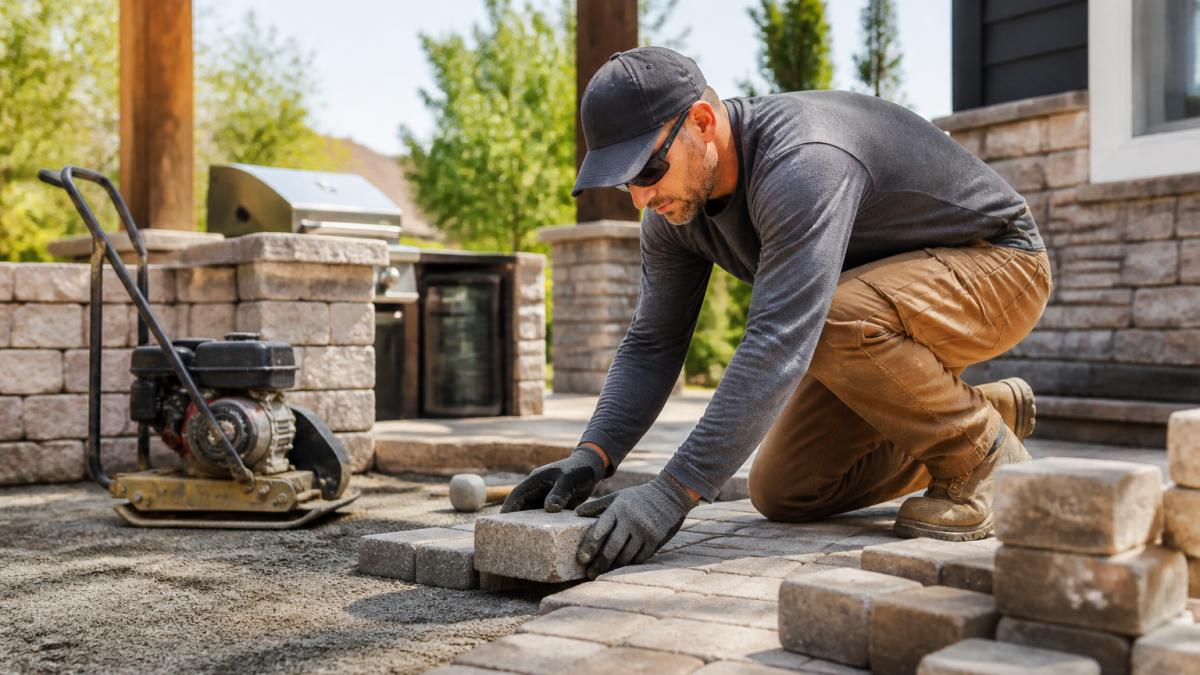
Concrete pavers and interlocking stone are industry standards for cold regions because they move with the ground without breaking. Unlike poured concrete, which cracks under repeated freezing, pavers distribute stress across individual units. Natural stone like granite and slate work well if properly installed on a compacted base with adequate drainage beneath.
Gravel paths offer budget-friendly alternatives but require annual raking. Permeable pavers manage spring melt and pooling in small yards. Wood decking demands regular sealing and inspection for rot, making it higher-maintenance than stone.
Base preparation is critical. Proper drainage layers, frost-proof depth, and compacted subgrade prevent heaving and settling that destroys even premium pavers.
Multi-Functional Patio and Hardscape Design
A small patio must serve multiple purposes or it becomes an expensive dead space. The best designs combine seating, entertaining, and transition zones without feeling cramped.
Homes Decor Designs
Permeable Pavers for Drainage
Permeable pavers solve water pooling, a problem most homeowners don't anticipate until it's too late. They allow water to drain through joints into a gravel base and soil below.
They cost slightly more upfront but eliminate separate drainage systems or sloped grading that wastes space. Installation requires a gravel base; hire someone experienced to avoid using sand, which clogs drainage.
Zoning Your Compact Layout
Zoning divides a small space into functional areas without walls. Zones are defined by subtle shifts in paving material, elevation changes, or plantings.
Zoned hardscaping creates visual separation and allows each area to have its own purpose and character, making the space feel intentional rather than cramped.
Small Backyard Patio Design Ideas That Maximize Space
The most effective small-yard patios combine multiple strategies: they use permeable materials, integrate seating into the hardscape itself, add vertical planting, and incorporate lighting that extends usability into evening hours. This section covers the specific design moves that work.

Built-In Seating and Fire Pit Integration
Built-in seating saves space and defines the patio edge. Curved benches work better than straight ones in small yards because they soften geometry and feel less rigid.
A small fire pit becomes a focal point. Integrate it into the patio layout, surround it with permeable pavers, and leave adequate clearance to structures or branches for safety.
Vertical Greenery and Wall Space
Vertical gardening is the secret weapon for small yards. Grow plants up walls, trellises, and fences to create lush space without consuming the patio footprint.
Container gardens, wall-mounted planters, and climbing vines add greenery without competing with hardscape. Vertical greenery softens edges, improves privacy, and intercepts rainfall.
Lighting and Focal Points for Ambiance
Lighting transforms a daytime patio into an evening destination. Low-voltage LED systems (12V or 24V) are standard because they're safe, energy-efficient, and produce warm color temperatures (2700K-3000K) that enhance ambiance.
Lighting placement strategies for small spaces:
Path lighting prevents tripping and guides movement. Position lights at appropriate intervals, angled downward. Uplighting on focal points adds depth; accent lighting on vertical plantings creates layers of visual interest.
Avoid overhead lighting that flattens the space. Use low-level fixtures on dimmers to adjust mood. Solar lights work for accents but lack the brightness of wired systems.
Focal point selection and integration:
One strong focal point works better than multiple competing features in small yards. This might be a distinctive stone feature, water element, specimen plant, or outdoor art. Position it off-center and visible from seating.
Install uplighting a suitable distance from the focal point, angled upward. This creates shadow and dimension rather than flat illumination. If your focal point is a water feature, consider underwater lighting (sealed LED units designed for submersion) to highlight movement and sound.
Wiring and installation considerations:
Low-voltage systems use a transformer that steps down standard household voltage to safe levels. Run cable along the patio edge, under pavers, or buried in soil to hide it. Bury cable in conduit if it crosses high-traffic areas. Most systems allow you to add fixtures incrementally, so start with a few lights and expand as budget allows. Hire an electrician experienced with outdoor low-voltage systems to ensure proper grounding and weatherproofing, especially in regions with freeze-thaw cycles that can damage exposed connections.
Dimmers and timers extend functionality. A timer turns lights on at dusk automatically, while a dimmer lets you adjust brightness for different moods, full brightness for entertaining, 50% for intimate evenings. Smart controllers (WiFi-enabled) let you adjust lighting from your phone, a practical feature if your patio is not visible from the house.
The investment in quality fixtures and professional installation pays dividends through durability and reduced maintenance. Cheap plastic fixtures degrade in UV exposure and cold winters; choose aluminum or stainless-steel housings rated for outdoor use.
Water Features and Container Gardens
Water features and container plantings are two separate hardscape elements that work together to add texture, movement, and visual interest without consuming precious ground space in small backyards.
Water features for small spaces:
A small water feature, a bubbler fountain, shallow basin, or recirculating stream, adds movement and sound without requiring much footprint. The sound of water masks neighborhood noise and makes the space feel more serene, a significant advantage in densely developed areas. However, size matters in small yards. A feature that is too large can overwhelm a patio and create a visual anchor that dominates the space rather than enhancing it.
Bubbler fountains (self-contained units that recirculate water through a central stone or basin) are ideal for small patios because they require no plumbing, just a nearby electrical outlet. They typically use a small submersible pump. Maintenance is minimal: top up water weekly during dry spells and clean the pump intake monthly to prevent algae buildup. In cold climates, drain and store the pump indoors before the first frost to prevent freeze damage.
Recirculating streams (water flowing over stacked stone or a custom spillway) create more visual drama but require professional installation and a dedicated electrical line. They need a larger pump. The advantage is that flowing water is less likely to develop algae than still water in a basin, reducing maintenance. The trade-off is higher upfront cost and more complex plumbing.
Shallow basins work well as focal points and can double as bird baths, adding wildlife interest. Avoid deep ponds in small yards; they consume space, require safety barriers, and demand regular maintenance (algae control, pump cleaning, seasonal drainage). A shallow basin achieves the same ambiance with a fraction of the footprint.
Container gardens and spatial strategy:
Containers allow you to add color and texture without competing with your hardscape footprint. Choose containers in coordinated materials and colors (ceramic, composite, or metal) so they feel intentional rather than random. Grouping three or five containers creates visual rhythm better than scattering singles across the patio. Odd numbers feel more natural and balanced in small spaces.
Container size matters. A single large container with a specimen plant (ornamental grass, dwarf conifer, or flowering shrub) creates a stronger focal point than multiple small pots.
Drainage and seasonal care:
Landscaping Services for Small Properties
Professional hardscape installation ensures proper drainage, correct material selection, and long-term durability. Northern Escapes Services specializes in maximizing small outdoor spaces through strategic hardscape design and installation. Working with a contractor experienced in cold-climate conditions prevents costly mistakes, like inadequate base preparation or material choices that fail under freeze-thaw stress.
Maintenance Requirements by Material
Different hardscape materials demand different upkeep. Permeable pavers need periodic weeding of the joints and occasional raking to keep the surface level. Natural stone may require sealing every 2-3 years depending on the stone type. Concrete pavers are low-maintenance but can develop moss in shaded, damp areas; a quick pressure wash solves this.
Frequently Asked Questions
What are the best durable materials for hardscaping in cold climates?
Permeable pavers, natural stone, and concrete designed for freeze-thaw cycles are top choices. Permeable pavers allow water drainage, reducing ice buildup. Avoid materials that absorb moisture, as they crack when frozen. Consult with a landscaping professional to select materials rated for your climate zone and ensure proper installation with adequate base preparation.
How can I fit a functional patio and fire pit in a small backyard?
Use multi-functional design: choose a compact patio size and position a fire pit or seating area at one edge rather than the center. Built-in seating along hardscape edges saves space compared to freestanding furniture. Vertical greenery and wall-mounted features keep the ground footprint minimal while maximizing the sense of an outdoor living space.
What maintenance do different hardscape materials require?
Permeable pavers need occasional weeding and re-sanding between joints. Natural stone requires sealing every 1-3 years and regular cleaning. Concrete may need power washing and crack repair. Gravel paths require annual topping. Choosing low-maintenance materials like large-format pavers or sealed stone reduces long-term upkeep, especially important in northern climates where freeze-thaw cycles accelerate wear.
How do I balance hardscaping and greenery in a compact yard?
Apply the 60-40 rule: dedicate 60% to hardscape (patio, pathways, focal points) and 40% to planting beds and vertical gardens. Use container gardens and wall-mounted planters to add greenery without consuming ground space. Vertical greenery on trellises or privacy screens creates layers and makes small spaces feel larger while maintaining the functional hardscape areas needed for outdoor living.
Get Started Today
Comments