Hardwood vs Vinyl Plank Flooring: Northern Ontario Guide
If you have ever stood in a flooring showroom trying to choose between hardwood and luxury vinyl plank, you already know the comparison is not as simple as it looks. For Northern Ontario homeowners stretching from North Bay to Thunder Bay, that decision is made harder by a climate that is genuinely punishing: winters where indoor air drops to bone-dry levels, summers that push humidity well above comfortable, and temperature swings that can stress any floor system over time. The wrong choice in a Northern Ontario home does not just look bad. It warps, gaps, or buckles. This guide cuts through the noise on hardwood vs vinyl plank flooring and gives you a clear answer based on how these materials actually perform in the conditions your home faces every single year.
Table of Contents
Quick Takeaways
Key Insight
Explanation
LVP handles Northern Ontario winters better than solid hardwood
Rigid-core LVP is dimensionally stable and resists the gapping and cupping caused by the region's extreme dry-air winters.
Engineered hardwood is the compromise option
It offers real wood appearance with better humidity resistance than solid hardwood, making it viable in Northern Ontario above-grade rooms.
Hardwood still wins on resale value
In the Canadian real estate market, hardwood floors in main living areas are consistently listed as a feature and tend to attract stronger buyer interest than LVP.
LVP costs less upfront and is easier to maintain
Installed LVP in Canada runs roughly $6 to $10 per square foot for a mid-range product, compared to $9 to $25 per square foot installed for hardwood.
Basements in Northern Ontario demand LVP
Solid hardwood cannot go below grade. Moisture and temperature variation in Northern Ontario basements make LVP the clear practical choice there.
Hardwood can be refinished; LVP cannot
A solid hardwood floor can typically be sanded and refinished multiple times over its lifespan, extending its life by decades. LVP must be replaced when worn.
Installation method matters in this climate
Floating LVP installation allows for seasonal movement, which is critical in Northern Ontario where temperature and humidity swings are significant.
Why Northern Ontario's Climate Changes This Decision
Northern Ontario is not Toronto. The region stretching from North Bay to Thunder Bay experiences a sub-arctic climate with four distinct seasons and dramatic swings between them. July averages in Thunder Bay reach highs around 26 to 28 degrees Celsius. January averages drop to around minus 13 degrees Celsius or colder. North Bay sees similar patterns, with January lows regularly sitting below minus 15 degrees Celsius and July heat pushing into the high 20s.
Those temperature swings matter for flooring because wood and temperature are not friends. When your furnace runs all winter, indoor relative humidity in Northern Ontario homes can drop to very low levels unless you actively manage it with a humidifier. When summer humidity rises, that same wood absorbs moisture. The cumulative effect is a floor that is constantly expanding and contracting. Over time, solid hardwood floors in this environment will show seasonal gapping in winter and potential crowning or cupping in summer if the humidity is not carefully controlled.
Ontario's temperature swings can be harsh on natural wood. Rigid-core synthetic planks provide exceptional dimensional stability, meaning the floor is less likely to gap during the dry winter months or buckle during the humid summer.
Luxury vinyl plank, by contrast, is engineered to be dimensionally stable across this kind of climate variation. It does not absorb moisture. It does not shrink noticeably in dry winter air. For homeowners who want a low-maintenance floor that will not require seasonal attention, that stability is a genuine practical advantage in this region.


Understanding Hardwood Flooring: Solid vs. Engineered
Not all hardwood is created equal, and in Northern Ontario the distinction between solid and engineered hardwood is not just technical, it is practical. Getting this wrong is one of the most common mistakes homeowners make when renovating.
Solid Hardwood
Solid hardwood is milled from a single piece of wood, typically 19 mm thick. It is the most traditional option and the one most people picture when they imagine a "hardwood floor." Installed costs in Canada range from roughly $9 to $25 per square foot depending on species, grade, and room complexity. It can be sanded and refinished multiple times over its lifespan, which is a genuine long-term advantage. A well-maintained solid hardwood floor can last 50 to 80 years or more.
The catch in Northern Ontario is significant. Solid hardwood expands and contracts the most of any flooring material in response to humidity changes. In winter, you may see small gaps open between boards as the wood loses moisture. Without consistent humidity management, those gaps can become pronounced. Solid hardwood also cannot be installed below grade, which eliminates it from basements entirely.
Engineered Hardwood
Engineered hardwood has a real wood veneer bonded to a plywood core. The multi-layer construction resists seasonal movement better than solid hardwood, making it a more practical choice for Northern Ontario's humidity swings. It can still be refinished, though typically fewer times than solid hardwood depending on the veneer thickness. Installed costs in Canada run roughly $6 to $23 per square foot, overlapping with both LVP and solid hardwood ranges.
For above-grade rooms in Northern Ontario homes where you want the warmth and authenticity of real wood, engineered hardwood is usually the smarter pick over solid. It gives you most of the aesthetic benefit with significantly better tolerance for the climate you actually live in.
Pro tip: If you are installing hardwood in a Northern Ontario home, run a humidifier throughout the heating season to keep indoor relative humidity between 35 and 55 percent. This single habit prevents the majority of seasonal gapping and movement complaints we see after installation.
Understanding Luxury Vinyl Plank (LVP)
Luxury vinyl plank is not the vinyl flooring your parents had. Modern LVP is a multi-layer product, typically featuring a rigid stone-plastic composite (SPC) or wood-plastic composite (WPC) core, a high-resolution photographic layer that convincingly mimics wood grain, and a wear layer on top that determines scratch and dent resistance. The result is a floor that looks and feels closer to hardwood than anything else in the non-wood category.
Why LVP Has Grown So Popular in Ontario
Vinyl plank is increasingly the dominant choice for Canadian homeowners renovating kitchens, basements, and high-traffic areas. It is 100 percent waterproof, which means spills, pet accidents, and even minor flooding events will not damage it. Installation is typically a floating click-lock system, which a skilled installer completes faster than nailed-down hardwood. The average installed cost in Canada for a mid-range LVP product sits around $6 to $10 per square foot, making it meaningfully more affordable than most hardwood options.
The Honest Limitations of LVP
LVP does have real limitations that a direct comparison should not hide. The wear layer can scratch over time, particularly in high-traffic areas, and unlike hardwood it cannot be refinished once the surface is worn through. You replace the boards or the whole floor. The material also has less acoustic insulation than wood, which is why quality underlayment is important, particularly in multi-storey Northern Ontario homes where sound transfer through floors is a common complaint.
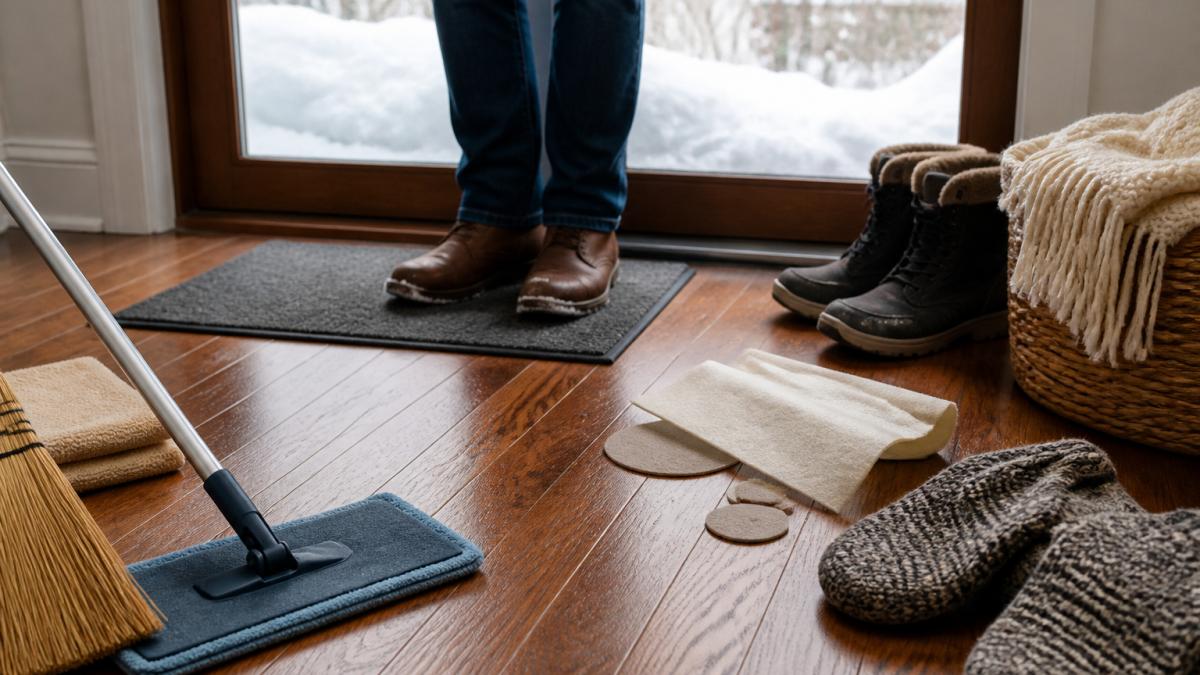
Pro tip: When specifying LVP for a Northern Ontario home, choose a product with a wear layer of at least 20 mil (0.5 mm) for residential use. Thinner wear layers marketed as budget options wear through faster in Northern Ontario households that track in road salt and grit all winter.

Side-by-Side Comparison
The table below compares solid hardwood, engineered hardwood, and luxury vinyl plank across the factors most relevant to Northern Ontario homeowners and commercial property managers.
Factor
Solid Hardwood
Engineered Hardwood
Luxury Vinyl Plank (LVP)
Climate stability (Northern Ontario winters)
Poor to moderate. Needs active humidity management.
Good. More stable than solid, still needs some humidity control.
Excellent. Dimensionally stable, unaffected by dry winter air.
Water and moisture resistance
None. Cannot go below grade.
Low to moderate. Avoid standing water.
100% waterproof. Suitable for basements, kitchens, bathrooms.
Installed cost (Canada, approximate)
$9 to $25 per sq ft
$6 to $23 per sq ft
$6 to $10 per sq ft (mid-range)
Refinishable
Yes, multiple times over decades.
Yes, limited by veneer thickness (typically 2 to 3 times).
No. Replace when worn.
Resale value signal
Strongest. Listed as a premium feature.
Good. Close to solid hardwood for buyers.
Moderate. Accepted but not a premium signal.
Maintenance
Higher. Sensitive to moisture, needs humidity management.
Moderate. Somewhat more forgiving than solid.
Low. Sweep, damp mop, done.
Best application in Northern Ontario
Above-grade living and dining rooms with humidity control.
Above-grade rooms, open-concept spaces, bedrooms.
Basements, kitchens, bathrooms, high-traffic commercial areas.
Cost Breakdown for Northern Ontario
Cost comparisons between hardwood and LVP are only useful if they account for what installation actually involves in Northern Ontario homes, many of which were built with older subfloor systems that need attention before any new floor goes down.
What Drives Costs Up
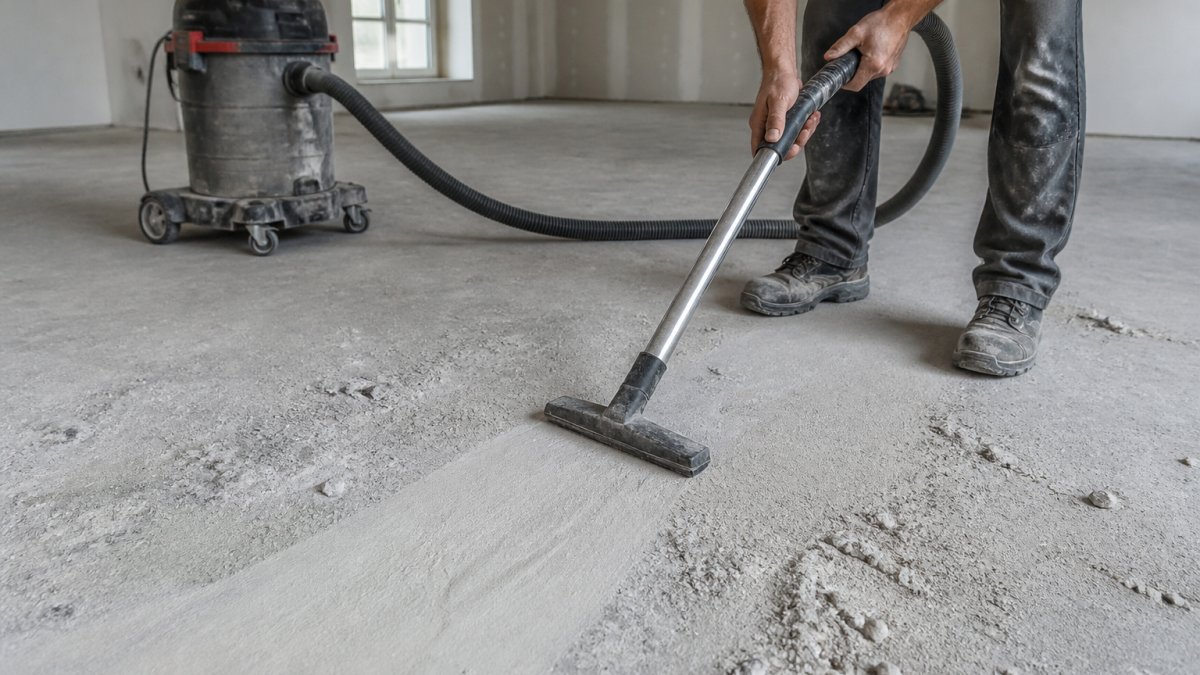
Subfloor preparation is the most commonly underestimated line item in any Northern Ontario flooring project. Uneven or damaged subfloors need levelling before installation, which can add roughly $1 to $3 per square foot to your total. Older Northern Ontario homes are also more likely to have squeaky or soft subfloor sections that require repair before new flooring can perform properly. Skipping this step leads to problems after installation, regardless of which product you chose.
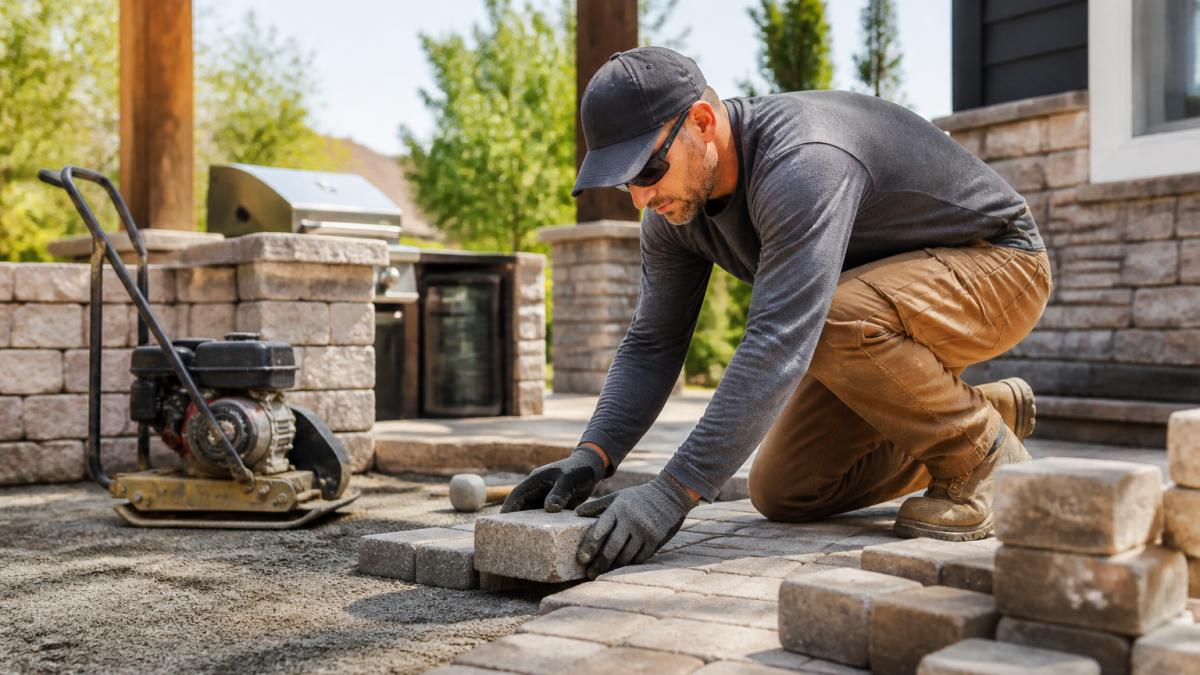
For hardwood specifically, nailed-down installation is more labour-intensive than a floating LVP click system. Staircase work, custom cuts around door frames, and complex room layouts all add time and cost. The honest total-cost range for hardwood in Canada sits between $9 and $25 per square foot installed, while mid-range LVP installed runs roughly $6 to $10 per square foot. On a typical 1,000-square-foot Northern Ontario main floor, that difference can add up to several thousand dollars.
The Long-Term Cost Equation
A solid hardwood floor refinished every 10 to 15 years can realistically serve a home for 50 years or more. LVP has a shorter practical lifespan before replacement becomes necessary, though quality products with thick wear layers can last 20 to 25 years under normal residential use. When you run a 30-year cost model, the gap between hardwood and LVP narrows considerably once you factor in the cost of replacing LVP versus refinishing hardwood.
Where Each Floor Wins, Room by Room
The most practical answer to the hardwood vs. LVP debate for Northern Ontario homes is that the two products often belong in different rooms of the same house. Treating this as an either-or decision across your entire home leaves performance and value on the table.
Living Rooms and Dining Rooms
Above-grade, properly humidity-managed living and dining rooms are where hardwood performs at its best and adds the most resale value. If you are investing in one area of the home, this is where solid or engineered hardwood delivers the strongest return. The warmth and authenticity of real wood grain in a main living area is something LVP still cannot fully replicate to a trained eye, and buyers in Northern Ontario's real estate market notice the difference.
Kitchens
LVP wins in kitchens without much debate. Spills are unavoidable, and 100-percent waterproof flooring that cleans up in a single swipe removes a significant maintenance burden. Engineered hardwood can work in a kitchen but requires more care to keep water away from seams.
Basements
In Northern Ontario, basements are LVP territory, full stop. Moisture migration from below, temperature variation, and the impossibility of installing solid hardwood below grade make LVP the only sensible choice here. Use a quality SPC rigid-core product on a proper underlayment for warmth underfoot.
Commercial Spaces
For commercial property managers in Northern Ontario, LVP is typically the right call across most high-traffic areas. The combination of lower cost, easy replacement of individual planks, waterproofing, and low maintenance suits the operational demands of commercial environments better than hardwood. High-end reception areas or private offices where aesthetics and resale positioning matter may still warrant engineered hardwood.
Resale Value and Long-Term Ownership
For homeowners in Northern Ontario who are thinking about eventual resale, the flooring choice is not just a comfort and performance decision. It is a financial one. Real estate listings in Canada consistently note hardwood flooring as a feature that attracts buyer interest and supports asking price. LVP is increasingly accepted in mid-range markets, but it does not yet signal premium quality the way hardwood does.
If you are planning to sell within five to ten years, investing in hardwood for your main above-grade living areas is likely to return more than the price difference at the point of sale. If you are a long-term owner whose priority is low maintenance, water resistance, and a lower upfront investment, LVP across more of the home is a rational and defensible choice.
The decision that tends to work best for most Northern Ontario homeowners is a mixed approach: engineered hardwood in main living and dining areas, and LVP in the kitchen, bathrooms, basement, and any high-moisture or high-traffic zones. This approach gives you the resale signal where it matters and the practical performance where the climate and lifestyle demand it.
Frequently Asked Questions
Can I install hardwood flooring in a Northern Ontario basement?
Solid hardwood cannot be installed below grade, and it is not recommended for Northern Ontario basements under any circumstances. The combination of moisture migration from the ground, temperature variation, and the risk of flooding or humidity spikes makes solid hardwood a poor fit. Engineered hardwood with a proper moisture barrier is technically possible in some above-grade basement situations but carries more risk than LVP. For most Northern Ontario basements, rigid-core LVP on a quality underlayment is the right answer.
How do I manage humidity for hardwood floors in a Northern Ontario home?
The standard recommendation is to maintain indoor relative humidity between 35 and 55 percent year-round. In Northern Ontario, this means running a whole-home humidifier during the heating season, when furnace-heated air becomes extremely dry. In summer, your air conditioning typically handles excess humidity. Failing to manage humidity is the primary cause of seasonal gapping, cupping, and cracking in hardwood floors in this region.
Is luxury vinyl plank flooring good for commercial spaces in Northern Ontario?
Yes, LVP is well-suited to most commercial applications in Northern Ontario. The durability of a quality SPC rigid-core product with a thick wear layer holds up under foot traffic that would wear solid hardwood quickly without regular refinishing. It is also 100 percent waterproof, easy to clean, and individual planks can be replaced if damaged, which reduces long-term maintenance costs for commercial property managers.
Does LVP add resale value to a Northern Ontario home?
LVP is increasingly accepted by buyers in the Canadian market, but it does not carry the same premium signal as hardwood in main living areas. For mid-range homes or investment properties where keeping costs down and minimizing maintenance is the priority, LVP is a practical choice that will not hurt resale. For higher-value properties or homes where you want to maximize the price per square foot at sale, hardwood in main living areas remains the stronger investment.
What is the difference between SPC and WPC luxury vinyl plank, and which is better for Northern Ontario?
SPC (stone-plastic composite) has a denser, harder core than WPC (wood-plastic composite), making it more dimensionally stable and resistant to heavy loads. WPC has a softer feel underfoot and better sound absorption. For Northern Ontario homes where basement temperatures can fluctuate significantly, SPC is generally the better choice because it is more stable under temperature variation. For above-grade main floor use where comfort underfoot is a priority, WPC or a quality hybrid product performs well.
How long does LVP flooring last compared to hardwood?
A quality LVP product with a wear layer of 20 mil or more can last 20 to 25 years under normal residential use before replacement becomes necessary. Solid hardwood, maintained properly and refinished every 10 to 15 years, can realistically serve a Northern Ontario home for 50 years or more. Engineered hardwood falls somewhere between the two. If long-term cost of ownership matters to you, hardwood's refinishable nature is a genuine advantage over time.
We would love to hear how your flooring has held up through Northern Ontario winters. Share your experience in the comments or reach out to the team at Northern Escapes Services with any questions about your next flooring project.
We would love your feedback and any insights you would share with others. What perspective would you add?
References
How to choose flooring for Ontario homes: resale value, climate, and room-by-room guidance
Hardwood floor installation costs in Canada: real pricing by square footage and wood type
Flooring installation costs in Canada: LVP and hardwood cost comparison with regional context
Northwestern Ontario climate overview: seasonal temperatures, daylight, and sub-arctic conditions
Comments