Is Professional Floor Screening Worth the Cost?
Table of Contents
What Professional Floor Screening Actually Involves
Professional Floor Screening vs. Full Sanding: Cost and Durability
How Long Does Floor Screening Take?
Professional Floor Screening vs. DIY: When to Hire Help
When Is Professional Floor Screening Worth the Investment?
Floors that qualify for screening
Floors that need full sanding instead
Long-Term Costs and Maintenance Scenarios
Lifecycle comparison
When repeated screening stops making sense
Finish compatibility and preparation risks
Evidence behind durability and savings claims
Frequently Asked Questions
Last Updated: October 5, 2026
What Professional Floor Screening Actually Involves
Professional floor screening is a refinishing process that renews the surface of hardwood floors without the extensive material removal of full sanding, but is professional floor screening worth the cost compared to alternatives? The technique involves using fine-grit screening equipment to lightly abrade the existing finish, preparing the wood surface for a fresh topcoat of polyurethane or other protective sealant.

When a contractor screens your floors, they're essentially refreshing the protective layer rather than stripping it down to bare wood. The process removes surface scratches, scuffs, and the dull finish that develops over time. It also creates microscopic texture that helps new finish adhere properly.
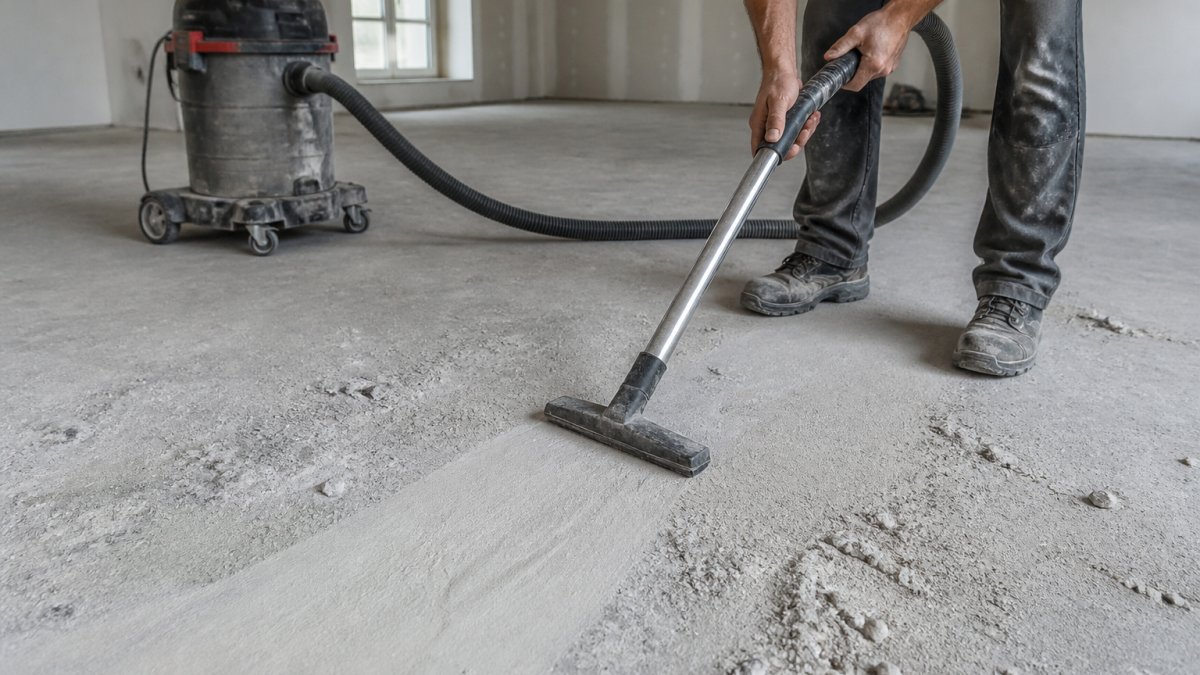
The dust control aspect matters more than most homeowners realize. Professional screening equipment captures most dust during the process, which means less cleanup afterward and less contamination throughout your home. This is one key reason why professional screening outperforms DIY approaches, the equipment and technique are designed to contain the work.
Pro Tip Screening works best on floors with a sound existing finish. If your finish is peeling, flaking, or has deep water damage, screening alone won't solve the problem. A contractor will assess whether your floors qualify during an initial inspection.
Professional Floor Screening vs. Full Sanding: Cost and Durability
The core difference between screening and full sanding comes down to how much material gets removed. Full sanding strips the existing finish completely and often removes a thin layer of the wood itself. Screening leaves the wood intact and only removes the old finish.
Truman's Hardwood Floor Cleaning & Refinishing LLC
That distinction drives every downstream cost. To compare quotes honestly, separate the two processes into their component parts rather than comparing headline prices.
Cost Component | Floor Screening | Full Sanding & Refinishing |
Surface preparation | Light abrasion of existing finish; edges and corners scuffed by hand | Heavy material removal; edges, corners, and stairs sanded separately |
Equipment and materials | Fine-grit screens, applicators, one to two topcoats | Coarse-to-fine abrasives, filler, stain, multiple topcoats |
Furniture and contents | Move and protect; often same-day return | Move, protect, and store off-site for several days |
Dust containment | HEPA-equipped screening units; plastic sheeting at doorways | HEPA sanders plus more extensive containment and air scrubbing |
Cleanup | Wipe-down and tack between coats | Full post-sanding cleanup, including vents and adjacent rooms |
Labor days | Typically 1-3 days | Typically 5-7 days |
Because screening skips the heavy removal and the stain step, the labor and material lines shrink on both sides of the invoice. The savings are real but they come from scope, not from a discount on the same work.
Durability depends partly on the existing floor condition. A properly screened floor with a quality new topcoat typically lasts 5-7 years before showing wear. A fully sanded and refinished floor can last 10+ years, especially in lower-traffic areas.
A common pattern practitioners describe is that the first screening on a sound floor delivers the strongest value, because the existing finish is still bonded and only the wear layer needs renewal. Each subsequent screening cycle starts from a thinner finish base, so the interval between screenings tends to shorten.
Key Takeaway If your floors are structurally sound and the existing finish is mostly intact, screening delivers excellent value. If you want to change stain color, repair significant damage, or maximize durability, full sanding is the better investment despite the higher cost.
How Long Does Floor Screening Take?
Professional floor screening typically takes 1-3 days depending on floor area and condition. A 1,500 square foot main floor usually completes in 2 days, one day for screening and dust containment, one day for topcoat application and drying time.
The actual screening process moves relatively quickly. A professional contractor can screen 500-800 square feet per day while maintaining dust control and proper technique. What extends the timeline is drying time between coats and the preparation work required before screening begins.
Most contractors recommend allowing 24-48 hours of drying time before returning to normal use after the final topcoat. This varies by finish type and humidity conditions. During this window, foot traffic should be minimal and the space should stay well-ventilated.
Full sanding projects, by contrast, typically require 5-7 days total. The extended timeline comes from the heavier material removal, more extensive dust containment requirements, and longer drying periods between multiple coats. The disruption to your household is proportionally greater.
Professional Floor Screening vs. DIY: When to Hire Help
DIY floor screening is technically possible, but the gap between professional and amateur results is substantial. Rental screening equipment costs between $50-150 per day, and the savings on labor often evaporate when you factor in the learning curve and potential mistakes.
The main challenges with DIY screening are equipment control, dust management, and achieving even coverage. A professional has years of experience recognizing how much pressure to apply, how to feather edges, and how to avoid creating low spots or uneven texture. Mistakes in screening are difficult to fix without moving to full sanding.
Dust control is where DIY approaches typically fail. Rental equipment usually has basic dust capture, but without proper technique and containment setup, screening dust migrates throughout your home. Professional contractors use advanced dust containment systems that keep most particles contained at the work site.
The finish application after screening is equally critical. If the screening prep work isn't uniform, the new topcoat won't adhere properly or will show inconsistent sheen. This is where many DIY projects end up looking noticeably different from professional work.
Watch Out If you have large open floor areas, uneven subfloors, or floors with significant existing damage, DIY screening becomes even riskier. These conditions require experience to navigate properly. A failed DIY attempt often leads to paying for professional full sanding afterward, negating any cost savings.
When Is Professional Floor Screening Worth the Investment?
Floors that qualify for screening
Hardwood floors are candidates for professional screening when the existing finish is generally sound but showing surface wear. Look for floors with scratches, scuffs, and a dull appearance, but no peeling, flaking, or deep water stains.
Floors that have been screened and recoated previously are often good candidates for another screening cycle. If the existing finish is bonded well to the wood and the subfloor is stable, screening can extend the floor's life another 5-7 years.
The floor's traffic level matters too. Lightly trafficked rooms (bedrooms, formal dining) hold a screened finish longer than high-traffic areas (kitchens, entryways). If screening is appropriate for your floor type and condition, it's often worth doing in moderate-use spaces where the durability window aligns with your timeline.
Floors that need full sanding instead
Some hardwood floors have moved beyond what screening can address. If the existing finish is peeling, flaking, or has significant water damage, screening won't create a stable base for new topcoat. The new finish will fail quickly because it has nothing solid to bond to.
Floors with deep gouges, significant staining, or color variation across planks benefit from full sanding. Screening can't address these issues, full sanding removes the damage and gives you the option to restain or lighten the wood.
Floors installed over unstable subfloors or with cupping and crowning issues need assessment before any refinishing work. Sometimes the underlying structure requires attention first. A professional contractor will identify these problems during inspection and recommend the appropriate solution.
Long-Term Costs and Maintenance Scenarios
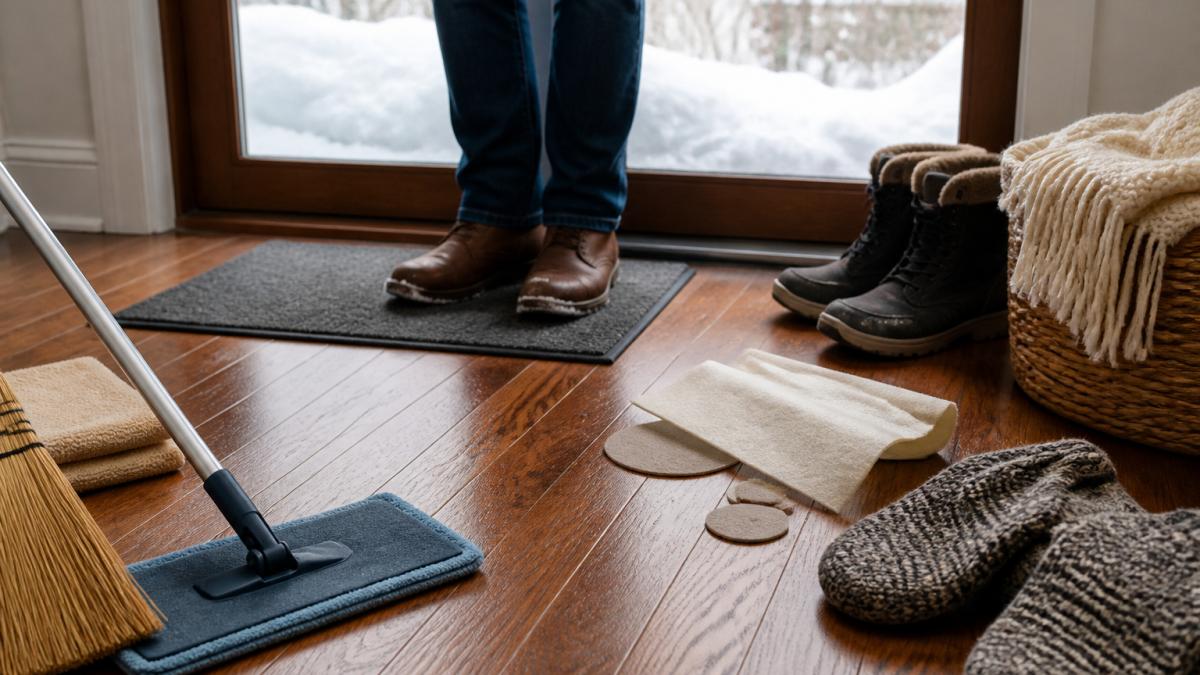
Consider how professional floor screening fits into your maintenance strategy over time. A typical scenario involves screening every 5-7 years, with basic maintenance (regular cleaning, protective mats, prompt spill cleanup) in between. The question most homeowners miss is not whether to screen once, but how many screening cycles a floor can absorb before full sanding is unavoidable, and ultimately, is professional floor screening worth the cost over time.
Lifecycle comparison
Scenario | First Screening | Second Screening | Full Sanding |
Sound floor, moderate traffic | Year 0 | Year 6-7 | Year 12-15 |
Sound floor, heavy traffic | Year 0 | Year 4-5 | Year 8-10 |
Floor with prior damage | Not recommended | Not applicable | Year 0 |
These intervals are estimates, not guarantees. Humidity swings, pet traffic, grit tracked from outdoors, and the quality of the original finish all shift the timeline. The pattern that matters is directional: each screening cycle removes a small amount of finish, and the base gets thinner every time.
When repeated screening stops making sense
Screening is a surface renewal, not a reset. It works because there is enough intact finish left for a new topcoat to bond to. Once that base is compromised, another screening cycle produces a finish that wears through quickly, and the money spent on it is effectively lost.
Signs that the next cycle should be full sanding rather than screening:
The finish has worn through to bare wood in traffic lanes.
Previous screening coats are visibly uneven or have delaminated in patches.
The floor has been screened two or more times and the wear interval has shortened noticeably.
You want to change the stain color or sheen level.
Water damage, pet stains, or deep scratches have reached the wood itself.
Finish compatibility and preparation risks
A screening job is only as good as the bond between the old finish and the new topcoat. Three preparation failures account for most disappointing results:
Wax or polish contamination. Furniture polish, wax, and many "shine" products leave a residue that repels polyurethane. Even a thorough screening can leave enough residue behind to cause peeling within months.
Incompatible finish types. A water-based topcoat over certain oil-modified finishes, or vice versa, can fail to adhere or cure unevenly. Contractors typically test a small hidden area first and observe how the new coat behaves.
Insufficient abrasion. Skipping or rushing the screening step leaves a glossy surface with no mechanical grip. The new coat looks fine for a few weeks, then flakes at edges and high-traffic zones.
Evidence behind durability and savings claims
Claims that screening "extends the life of your floors" are only meaningful when the assumptions are stated. A defensible claim looks like this: on a sound floor with a bonded finish and moderate household traffic, a properly executed screening with a quality topcoat can reasonably be expected to delay full sanding by one cycle, typically several years. That is a qualified expectation based on the condition of the floor, not a promise.
What screening does not do is reset the clock indefinitely. Each cycle buys time; it does not restore the floor to new. Homeowners who plan for one or two screening cycles before budgeting for full sanding tend to be satisfied with the outcome. Homeowners who expect screening to replace full sanding forever tend to be disappointed.
Key Takeaway Professional screening is worth the investment when it extends the life of sound floors at a fraction of the cost of full sanding. It's not worth pursuing if the underlying floor condition is already compromised, if the finish has worn through to bare wood, or if you're trying to achieve results that only full sanding can deliver.
Frequently Asked Questions
What is the difference between floor screening and sanding?
Floor screening uses abrasive screens to lightly scuff the existing finish without removing the wood layer, while full sanding removes the entire topcoat and sometimes penetrates the wood surface. Screening is faster, produces less dust, and costs less, but works only on floors in good condition. Sanding is necessary for deep damage, stains, or when changing stain color. Screening typically refreshes a dull finish; sanding transforms the floor.
Is professional floor screening better than doing it yourself?
Professional screening delivers superior results because contractors have industrial-grade equipment, proper dust containment, and expertise in finish compatibility. DIY work risks uneven screening, inadequate topcoat adhesion, and incomplete dust removal that damages furniture and air quality. Professionals also apply the new coating correctly, ensuring durability. For most homeowners, professional screening is worth the cost to avoid costly mistakes and health hazards.
How long does professional floor screening take?
Professional floor screening typically takes 1-3 days depending on floor area and condition. A 500-square-foot space usually requires one day for screening and drying, plus another day for topcoat application and curing. The process is much faster than full sanding, which can take 5-7 days. Drying times between coats add to the total timeline, so plan for minimal foot traffic during and after the work.
Can floor screening remove deep scratches or stains?
Floor screening works on surface-level wear, light scratches, and scuffs. Deep gouges, dark stains, or water damage require full sanding to remove. If your floor has significant damage, screening will not address the problem and you'll need refinishing instead. A professional flooring contractor can assess your floor's condition and recommend whether screening or sanding is appropriate.
Get Started Today
Comments