Is Epoxy Flooring Worth It for Basements? A 2026 Guide
Table of Contents
The Short Answer: When Epoxy Flooring Basements Pay Off
Pros and Cons of Epoxy Flooring in a Basement
What Epoxy Does Well
Where It Falls Short
Basement Floor Preparation Steps That Decide the Outcome
Moisture Mitigation for Basement Floors: The Make-or-Break Factor
How Mitigation Systems Actually Work
Testing for Hydrostatic Pressure and Vapor Transmission
Epoxy Flooring Cost Per Square Foot and What Drives It
Durability, Lifespan, and Long-Term Repairability
What Realistic Lifespan Looks Like
What Actually Shortens Lifespan
Repairability: What You Can Actually Fix
The Cost-of-Ownership Angle
DIY Kits vs Professional Installation: What Actually Lasts
Slip Resistance, VOC Safety, and Finishing Choices
Frequently Asked Questions
Last Updated: September 21, 2026
The Short Answer: When Epoxy Flooring Basements Pay Off
If you're asking is epoxy flooring worth it for basements, the answer depends on one thing: moisture.
So here's the short version:
Worth it if your slab is dry, you're willing to prep it properly, and you want a low-maintenance, water-resistant floor.
Not worth it if you have active water intrusion, no vapor barrier under the slab, or you're hoping to skip surface prep.
Pros and Cons of Epoxy Flooring in a Basement
Epoxy's reputation in basements is split for a reason: it solves real problems and creates new ones when conditions are wrong.
What Epoxy Does Well
Water resistance. Cured epoxy forms a sealed surface that water sits on rather than soaks through.
Impact and chemical resistance. It handles dropped tools, road salt residue, and most household spills.
Seamless finish. No grout lines to scrub, which matters in a space that collects dust.
Design range. Decorative flakes, high-gloss, and matte finish options let you match the room to the rest of the house.
Where It Falls Short
Moisture sensitivity. A slab pushing water vapor upward can lift the coating from below.
Prep demands. Epoxy needs a profiled, clean, dry surface. Skip this and it delaminates.
Repairability limits. Small chips are fixable, but a large failed area usually means grinding back and recoating.
Curing time. You'll lose the space for several days while it sets.
Watch Out The single most common epoxy failure is delamination caused by a missing or failed moisture barrier under the slab. If your basement has ever had a damp smell or efflorescence, test before you buy a single bucket of resin.
Basement Floor Preparation Steps That Decide the Outcome
Prep is where most basement epoxy jobs succeed or fail, and it's the part homeowners most often underestimate.

Here's the sequence that matters:
Clear and inspect the slab. Look for cracks, efflorescence, and previous coatings.
Test for moisture. More on this in the next section, but never skip it.
Repair defects. Fill cracks and patch spalls so the surface is level.
Profile the concrete. Diamond grinding is the standard method. Acid etching works on some slabs but is less reliable.
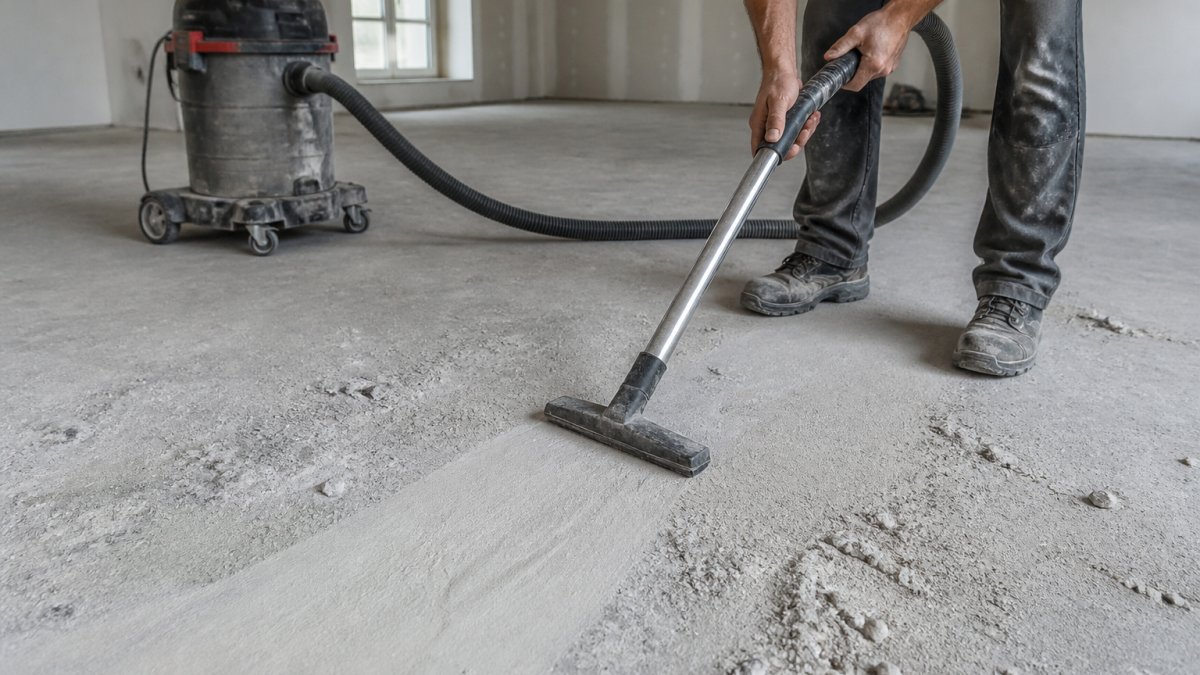
Clean thoroughly. Dust and oil left behind will kill adhesion.
Prime, then coat. A primer suited to your slab conditions improves bonding.
Add the topcoat. This is what carries your slip resistance and finish choice.
Moisture Mitigation for Basement Floors: The Make-or-Break Factor
Moisture mitigation for basement floors separates epoxy that lasts from epoxy that peels, and it comes down to two forces.
How Mitigation Systems Actually Work
Mitigation products fall into three categories, and choosing the wrong one for your slab condition is how jobs fail:
Moisture-tolerant primers. Formulated to bond to concrete with elevated MVT and tolerate some residual vapor drive. They buy a margin, not a solution, suitable for slabs testing in the low range.
Two-part epoxy or polyaspartic moisture barriers. High-solids, low-permeability coatings that create a continuous, chemically cross-linked film vapor can't easily pass through. They must be applied at the manufacturer's specified mil thickness; thin application defeats the purpose.
Cementitious or aggregate-based barriers. Trowel-applied products that create a denser, less permeable layer. Used where vapor rates are high but there's no active liquid water; heavier and pricier, but they handle more aggressive conditions than a roll-on primer.
Testing for Hydrostatic Pressure and Vapor Transmission
You can't judge moisture by touch, home age, or whether the basement 'smells fine.' A slab can feel bone dry and still push enough vapor to destroy a coating.
Plastic sheet test. Tape a 30 cm square of clear plastic to the slab, seal all edges, and leave it for 24 hours. Condensation underneath or darkening of the concrete indicates vapor. It's a screening tool, not a measurement.
Calcium chloride test. A measured dish of calcium chloride is sealed under a plastic dome for 60-72 hours; the weight gain converts to a vapor emission rate in pounds per 1,000 square feet per 24 hours. Standard field method, but it only captures conditions during the test window.
In-situ relative humidity (RH) test. A probe is drilled to a specified depth, left to equilibrate, then read with a meter. It measures moisture inside the slab, not just at the surface, and it's the method most manufacturers reference in their warranty requirements; the most reliable option.
Watch Out Manufacturers set maximum allowable MVT and RH limits for their epoxy systems, and exceeding them typically voids the product warranty. Ask for the test results in writing and confirm they fall within the specific product's published limits before installation begins.
Key Takeaway The question of is epoxy flooring worth it for basements is really a moisture question. If your slab tests dry, epoxy is a durable, low-maintenance choice. If it tests high, the mitigation system, not the epoxy, is what you're actually buying, and it needs to be specified for your measured conditions.
Epoxy Flooring Cost Per Square Foot and What Drives It
Epoxy flooring cost per square foot depends on your slab, not a flat rate. Two basements of the same size can land in very different places.
The main cost drivers:
Surface prep. Grinding, crack repair, and leveling add labor.
Moisture mitigation. A barrier system adds materials and steps.
Coating system. A basic single-coat job costs less than a primer, base, and topcoat build.
Finish options. Decorative flakes and specialty topcoats add cost.
Access and size. Tight basement access slows the crew down.
Cost Driver | What It Adds | Why It Matters |
Surface prep | Grinding, patching | Adhesion depends on it |
Moisture mitigation | Primer or barrier | Prevents delamination |
Coating system | Base plus topcoat | Determines lifespan |
Finish options | Flakes, gloss level | Affects look and grip |
Access and size | Extra labor | Slows installation |
Durability, Lifespan, and Long-Term Repairability
A properly installed epoxy floor on a dry, prepped slab holds up for many years, but 'many years' means different things depending on which layer you mean.
What Realistic Lifespan Looks Like
Epoxy systems are layered, and the layers age at different rates:
The base coat and bond line. With a dry slab and correct prep, this is the most durable part of the system, and the part that fails catastrophically when moisture or prep was wrong. When it goes, the whole floor goes.
The color or build coat. The wear layer. In a residential basement with normal foot traffic it holds its appearance for years; with parking, heavy storage, or dragged equipment, expect visible wear sooner.
The topcoat. The sacrificial layer that takes abrasion, chemical contact, and UV exposure. A quality topcoat is what you're really maintaining, and it decides whether the floor looks good at year five versus year ten.
What Actually Shortens Lifespan
Moisture the coating can't tolerate. The number one cause of premature failure.
Poor surface prep or a dusty slab. If the concrete wasn't profiled and cleaned, the bond is mechanical at best and cosmetic at worst.
Heavy point-load impact. A dropped weight or a concentrated load on a small foot area can crack or chip the film.
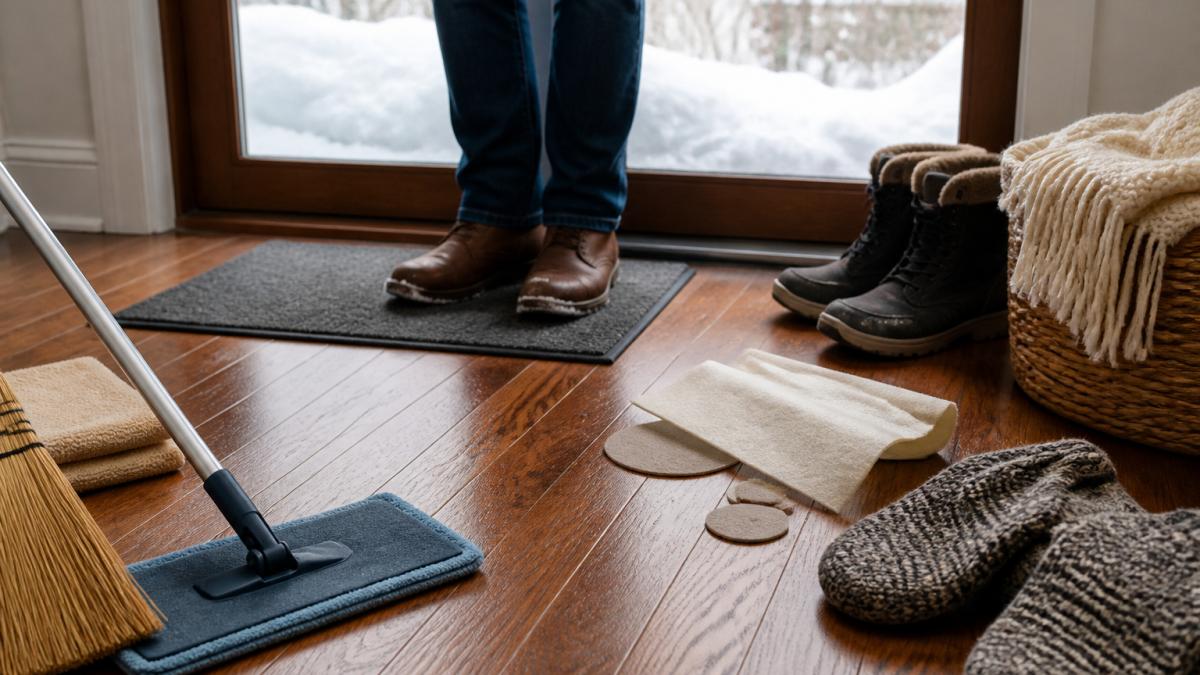
Abrasive grit tracked in from outside. Sand and gravel act like sandpaper underfoot. A walk-off mat at the basement entry is a cheap way to extend topcoat life.
UV exposure. Epoxy yellows and can chalk under direct sunlight. In a basement this is rarely an issue, but if you have a walkout with large windows, it matters.
Chemical contact. Most household spills are fine. Solvents, battery acid, and some de-icing products are not. Wipe them up rather than letting them sit.
Repairability: What You Can Actually Fix
This is the question that matters most if you plan to live with the floor for a decade.
The Cost-of-Ownership Angle
For the 'worth it' question: epoxy isn't maintenance-free, but it is maintainable. A recoat every several years in high-traffic zones costs a fraction of a full replacement and is scheduled, not an emergency. A floor that fails from moisture means removal, disposal, slab remediation, and a full reinstall.
Pro Tip Ask for the moisture test results in writing before installation, and ask what the manufacturer's warranty requires for MVT and RH limits.
Key Takeaway Budget for a topcoat refresh in high-traffic zones every few years, and treat small chips as routine maintenance rather than a sign the floor is failing. The floor's real lifespan is set by the slab and the prep, the topcoat is what you maintain along the way.
DIY Kits vs Professional Installation: What Actually Lasts
DIY epoxy kits can work in a garage on a dry, clean slab. In a basement, the margin for error is thinner.
What DIY kits get wrong:
No moisture testing. The kit doesn't include it, and most homeowners don't think to ask.
Weak surface prep. A rented grinder and an afternoon often isn't enough.
Thin coverage. Skipping the primer or topcoat shortens the floor's life.
Slip Resistance, VOC Safety, and Finishing Choices
Slip resistance and VOC safety are two finishing decisions that affect how the floor feels and how safe the space is.
Frequently Asked Questions
Does epoxy flooring prevent moisture issues in basements?
No. Epoxy is a coating, not a waterproofing system. If hydrostatic pressure or vapor transmission pushes moisture up through the concrete slab, that pressure can blister or delaminate the coating from below. A moisture test before installation tells you whether the slab is dry enough. When readings are high, moisture mitigation for basement floors, such as a vapor barrier or specialist primer, has to come first.
How long does epoxy flooring last in a basement?
A properly installed epoxy floor on a dry, well-prepared slab typically lasts 10 to 20 years, and longer with a polyaspartic topcoat. Lifespan depends far more on surface preparation and moisture control than on the brand of resin. Floors that fail early almost always trace back to inadequate diamond grinding, acid etching, or an unaddressed moisture problem rather than normal wear.
Is epoxy flooring slippery when wet?
A high-gloss epoxy finish is slippery when wet, which matters in basements near laundry areas or floor drains. Slip resistance ratings improve when you add a broadcast aggregate, such as fine silica sand or aluminum oxide, into the topcoat. A matte finish also offers more grip than high-gloss. Ask your installer which slip rating suits the room's use before the topcoat goes down.
Can you apply epoxy over cracked basement concrete?
Small hairline cracks can usually be filled and coated, but structural cracks, active leaks, or spalling concrete need repair first. Cracks that move with the slab will telegraph through the coating and cause delamination. A contractor should assess crack width, cause, and movement before quoting. Skipping this step is one of the most common reasons basement epoxy jobs fail within a few years.
Get Started Today
Comments